
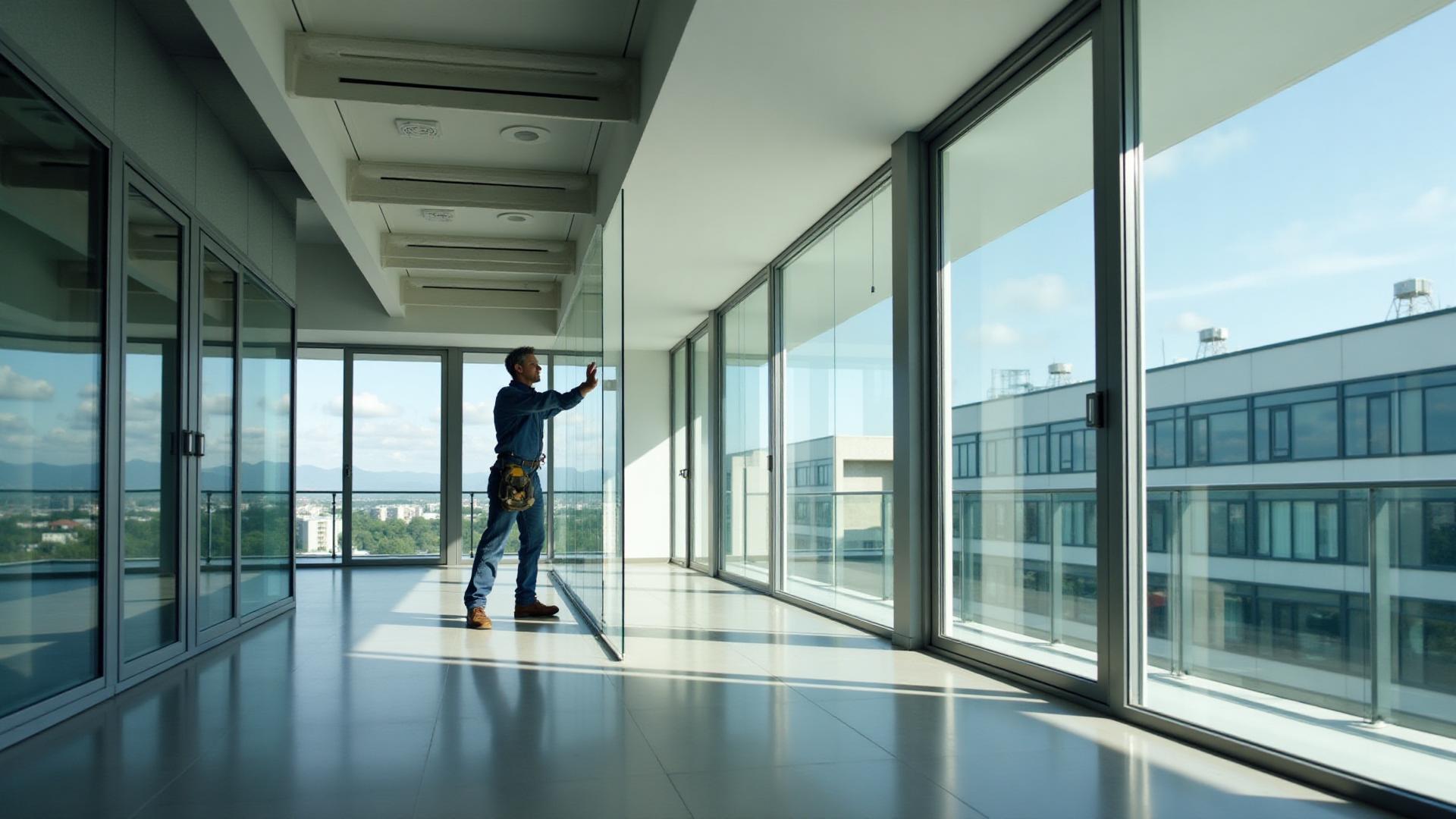
The Complete Guide to Choosing the Right Glass Type for Your Home
Discover how to select the perfect glass type for windows, doors, and other applications in your home with our comprehensive guide.
The Complete Guide to Choosing the Right Glass Type for Your Home
Selecting the right type of glass for your home is crucial for safety, energy efficiency, security, and aesthetics. With numerous glass options available, understanding the characteristics and applications of each type will help you make informed decisions for your specific needs.
Understanding Glass Types and Their Properties
1. Float Glass (Standard Glass)
Float glass is the most basic type of glass, created by floating molten glass on a bed of molten metal.
Characteristics:
- Clear, smooth surface
- Affordable option
- Limited safety features
- Basic insulation properties
Best Applications:
- Picture frames
- Mirrors
- Basic interior applications
- Non-critical areas where safety isn't a primary concern
Limitations: Breaks into large, sharp pieces that can cause serious injury.
2. Tempered Glass (Safety Glass)
Tempered glass is heat-treated to increase its strength and change its breaking pattern.
Characteristics:
- 4-5 times stronger than float glass
- Breaks into small, rounded pieces
- Cannot be cut or modified after tempering
- Excellent safety properties
Best Applications:
- Shower doors and enclosures
- Sliding glass doors
- Large windows
- Glass furniture tops
- Areas requiring safety glass by building codes
Code Requirements: Many building codes require tempered glass in specific locations for safety.
3. Laminated Glass
Laminated glass consists of two or more glass layers bonded with an interlayer, typically polyvinyl butyral (PVB).
Characteristics:
- Holds together when broken
- Excellent security properties
- UV protection (blocks 99% of UV rays)
- Superior sound insulation
- Impact resistant
Best Applications:
- Front doors and entrance glass
- Ground-level windows
- Skylights
- Areas requiring security glass
- Hurricane and storm-prone regions
Security Benefits: Even when broken, the glass remains in the frame, preventing easy entry.
4. Insulated Glass (Double/Triple Pane)
Insulated glass units (IGUs) feature multiple glass panes separated by spacers and sealed edges.
Characteristics:
- Superior energy efficiency
- Reduced condensation
- Better temperature control
- Noise reduction
- Can incorporate various glass types
Best Applications:
- Exterior windows in all climates
- Energy-efficient home construction
- Noise reduction applications
- Climate-controlled environments
Energy Savings: Can reduce energy costs by 20-30% compared to single-pane windows.
Specialty Glass Options
Low-E Glass
Low-emissivity glass has a microscopic coating that reflects heat while allowing light to pass through.
Benefits:
- Improved energy efficiency
- UV protection
- Comfortable indoor temperatures
- Reduced fading of furniture and carpets
Types:
- Passive Low-E: Better for cold climates
- Solar Control Low-E: Better for warm climates
Tinted Glass
Tinted glass reduces glare and heat gain while providing privacy.
Popular Tints:
- Bronze: Warm appearance, good heat reduction
- Gray: Neutral appearance, excellent glare reduction
- Blue/Green: Modern aesthetic, moderate performance
Considerations: Tinting can affect natural light levels and may not be suitable for all applications.
Textured/Decorative Glass
Textured glass provides privacy while allowing light transmission.
Options:
- Frosted: Uniform, smooth texture
- Rain: Vertical texture pattern
- Obscure: Various decorative patterns
- Etched: Custom designs and patterns
Glass Selection by Application
Windows
Climate Considerations:
- Cold climates: Double or triple-pane with Low-E coating
- Hot climates: Solar control Low-E glass
- Moderate climates: Standard insulated glass with Low-E
Safety Requirements:
- Large windows: Consider tempered glass
- Ground level: Laminated glass for security
- Near walkways: Safety glass requirements
Doors
Front Doors:
- Laminated glass for security
- Decorative options for aesthetics
- Consider privacy needs
Sliding Glass Doors:
- Tempered glass (required by code)
- Insulated units for energy efficiency
- Consider Low-E coatings
Interior Doors:
- Tempered glass for safety
- Decorative options available
- Consider privacy requirements
Bathrooms
Shower Enclosures:
- Tempered glass (required)
- Consider textured options for privacy
- Easy-clean coatings available
Windows:
- Obscure glass for privacy
- Ensure adequate ventilation
- Consider moisture resistance
Energy Efficiency Considerations
Understanding Ratings
U-Factor: Measures heat transfer (lower is better)
- Single pane: 0.9-1.1
- Double pane: 0.3-0.6
- Triple pane: 0.15-0.3
Solar Heat Gain Coefficient (SHGC): Measures solar heat transmission
- Higher values: Better for cold climates
- Lower values: Better for hot climates
Climate-Specific Recommendations
Northern Climates:
- Triple-pane windows
- Passive Low-E coatings
- Argon or krypton gas fills
- Higher SHGC values
Southern Climates:
- Double-pane with solar control Low-E
- Lower SHGC values
- Tinted glass options
- Emphasis on cooling load reduction
Safety and Security Considerations
Building Code Requirements
Different locations in your home may require specific glass types:
Required Safety Glass Locations:
- Within 24 inches of doors
- Shower and tub enclosures
- Glass doors
- Windows near walking surfaces
- Large glass panels
Security Considerations:
- Ground-level windows: Laminated glass
- Entry doors: Laminated or tempered glass
- High-crime areas: Security laminated glass
Impact Resistance
For areas prone to severe weather:
- Hurricane zones: Impact-resistant laminated glass
- Hail-prone areas: Tempered or laminated options
- Earthquake zones: Laminated glass for safety
Cost Considerations and ROI
Initial Investment vs. Long-term Savings
Higher upfront costs for:
- Triple-pane windows
- Low-E coatings
- Laminated glass
- Custom sizes and shapes
Long-term savings from:
- Reduced energy bills
- Lower maintenance costs
- Increased property value
- Enhanced comfort
Budgeting Tips
- Prioritize high-impact areas (largest windows, main living spaces)
- Consider phased upgrades rather than whole-house replacement
- Research rebates and incentives for energy-efficient glass
- Compare total cost of ownership not just initial price
Professional Installation Importance
Why Professional Installation Matters
Proper Performance: Even the best glass won't perform properly without correct installation.
Warranty Protection: Most manufacturers require professional installation for warranty coverage.
Code Compliance: Professionals ensure all safety and building codes are met.
Longevity: Proper installation extends the life of your glass installations.
What to Look for in an Installer
- Licensed and insured
- Experience with your specific glass type
- Manufacturer certifications
- Warranty on installation work
- Local references and reviews
Maintenance and Care
Different Glass Types Require Different Care
Standard Glass:
- Regular cleaning with standard glass cleaners
- Check for chips and cracks regularly
Coated Glass (Low-E):
- Use non-abrasive cleaners
- Avoid harsh chemicals that can damage coatings
- Gentle cleaning techniques
Laminated Glass:
- Clean both sides thoroughly
- Check seal integrity regularly
- Professional inspection for damage
Conclusion: Making the Right Choice
Choosing the right glass type involves balancing multiple factors:
- Safety requirements based on location and building codes
- Energy efficiency goals for your climate and budget
- Security needs based on your location and concerns
- Aesthetic preferences that match your home's style
- Budget considerations including long-term value
Key Takeaways:
- Safety first: Always meet or exceed building code requirements
- Climate matters: Choose glass appropriate for your local conditions
- Professional guidance: Consult with glass professionals for complex decisions
- Quality installation: Proper installation is crucial for performance
- Long-term thinking: Consider total cost of ownership, not just initial price
By understanding these factors and working with qualified professionals, you can select glass types that provide the perfect combination of safety, efficiency, security, and beauty for your home.
Need help selecting the right glass for your specific application? Our certified glass professionals provide free consultations and can recommend the best glass types for your home's unique needs.
Need help with your glass?
Our licensed glaziers are ready to help with any glass repair, replacement, or installation across Sydney.
No obligation. Fast response.