
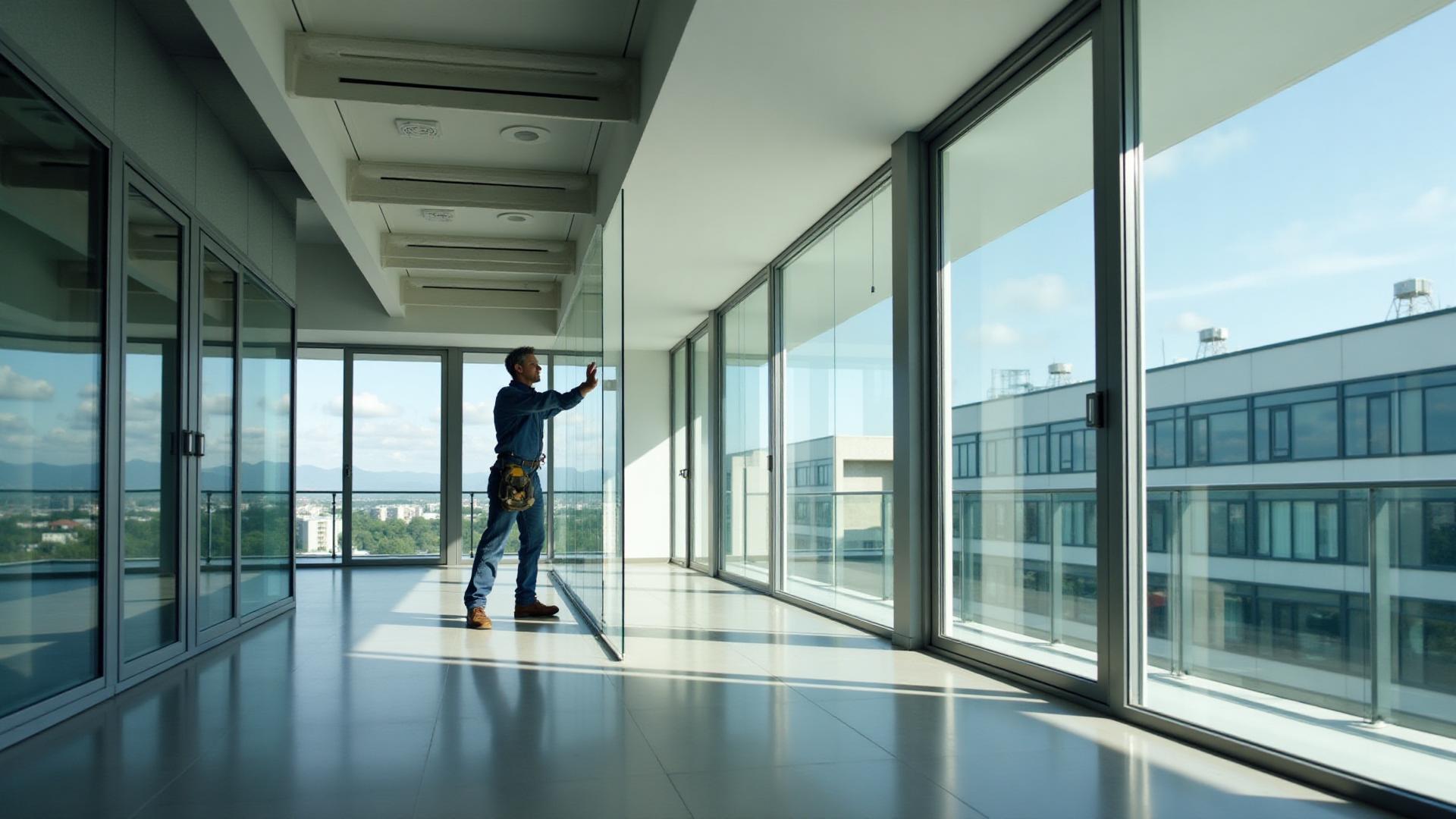
The Ultimate Window Replacement Guide: Everything You Need to Know
Complete guide to window replacement including when to replace, types of windows, installation process, and maximizing your investment.
The Ultimate Window Replacement Guide: Everything You Need to Know
Window replacement is one of the most impactful home improvements you can make, affecting energy efficiency, comfort, security, and curb appeal. This comprehensive guide covers everything you need to know about replacing windows, from recognizing when it's time for replacement to selecting the right windows and ensuring professional installation.
When to Replace Your Windows
Clear Signs It's Time for Replacement
Visible Damage:
- Cracked or broken glass
- Rotting or damaged frames
- Warped window sashes
- Broken hardware or mechanisms
Performance Issues:
- Difficulty opening or closing
- Air leaks around frames
- Condensation between glass panes
- Excessive outside noise
Energy Efficiency Problems:
- High heating and cooling bills
- Drafts and cold spots
- Faded furniture from UV exposure
- Uncomfortable temperature variations
Aesthetic Concerns:
- Outdated appearance
- Paint issues on frames
- Fogged or cloudy glass
- Mismatched window styles
Age and Condition Assessment
Window Lifespan by Material:
- Wood windows: 15-20 years with maintenance
- Aluminum windows: 20-25 years
- Vinyl windows: 20-30 years
- Fiberglass windows: 30-40 years
Professional Evaluation Criteria:
- Structural integrity assessment
- Energy performance testing
- Cost of repair vs. replacement
- Code compliance requirements
Types of Replacement Windows
Replacement Installation Methods
Full-Frame Replacement:
- Complete window and frame removal
- Best for severely damaged frames
- Allows for size modifications
- Maximum performance improvement
Insert/Pocket Replacement:
- New window unit into existing frame
- Less expensive option
- Minimal interior/exterior disruption
- Limited to same size opening
Sash Replacement:
- Replace moving parts only
- Most economical option
- Suitable for quality frames
- Limited performance improvement
Window Frame Materials
Vinyl Windows:
- Pros: Affordable, low maintenance, good insulation
- Cons: Limited color options, can't be painted
- Best for: Budget-conscious homeowners, standard applications
Wood Windows:
- Pros: Natural beauty, excellent insulation, customizable
- Cons: High maintenance, susceptible to moisture damage
- Best for: Historic homes, high-end applications
Aluminum/Metal Windows:
- Pros: Durable, slim profiles, low maintenance
- Cons: Poor insulation, condensation issues
- Best for: Commercial applications, modern designs
Fiberglass Windows:
- Pros: Extremely durable, low maintenance, excellent insulation
- Cons: Higher cost, limited availability
- Best for: Extreme climates, long-term investment
Composite Windows:
- Pros: Combines benefits of different materials
- Cons: Varying quality between manufacturers
- Best for: Specific performance requirements
Window Styles and Configurations
Double-Hung Windows:
- Traditional appearance
- Good ventilation control
- Easy cleaning features
- Suitable for most home styles
Single-Hung Windows:
- Lower cost option
- Simple operation
- Good for traditional designs
- Limited ventilation compared to double-hung
Casement Windows:
- Maximum ventilation
- Excellent seal when closed
- Unobstructed views
- Great for contemporary designs
Sliding Windows:
- Wide view areas
- Easy operation
- Good for areas with limited space
- Horizontal emphasis in design
Bay and Bow Windows:
- Dramatic architectural feature
- Additional interior space
- Enhanced natural light
- Higher cost and complexity
Specialty Windows:
- Custom shapes and sizes
- Architectural details
- Unique design requirements
- Premium pricing
Glass Options and Performance Features
Insulated Glass Units (IGU)
Single Pane:
- Lowest cost option
- Poor energy performance
- Suitable only for mild climates
- Limited applications in modern construction
Double Pane:
- Standard for most climates
- Good energy performance
- Reasonable cost
- Widely available
Triple Pane:
- Maximum energy efficiency
- Superior comfort
- Higher cost
- Best for extreme climates
Performance Coatings
Low-E (Low-Emissivity) Coatings:
- Passive Low-E: Better for cold climates
- Solar Control Low-E: Better for hot climates
- Benefits: Energy savings, UV protection, comfort
Spectrally Selective Coatings:
- Allow visible light while blocking heat
- Maintain clear appearance
- Advanced energy performance
- Premium option
Gas Fills
Argon Gas:
- Standard upgrade option
- Improved insulation
- Modest cost increase
- Good performance improvement
Krypton Gas:
- Superior insulation properties
- Higher cost
- Best for triple-pane windows
- Maximum performance
Specialty Glass Options
Impact-Resistant Glass:
- Hurricane and storm protection
- Security benefits
- Insurance premium reductions
- Required in some coastal areas
Sound-Control Glass:
- Noise reduction benefits
- Laminated glass construction
- Important for busy streets
- Enhanced comfort
Energy Efficiency and Ratings
Understanding Performance Ratings
U-Factor:
- Measures heat transfer
- Lower numbers are better
- Range: 0.15 to 1.25
- Most important rating for energy efficiency
Solar Heat Gain Coefficient (SHGC):
- Measures solar heat transmission
- Range: 0 to 1
- Lower for cooling climates, higher for heating climates
- Balances heating and cooling needs
Visible Transmittance (VT):
- Measures light transmission
- Range: 0 to 1
- Higher numbers mean more natural light
- Important for daylighting goals
Air Leakage:
- Measures air infiltration
- Lower numbers are better
- Expressed as cfm/sq ft
- Critical for comfort and efficiency
ENERGY STAR Certification
Benefits of ENERGY STAR Windows:
- Third-party verified performance
- Rebate and incentive eligibility
- Guaranteed energy savings
- Climate-specific recommendations
Climate Zone Considerations:
- Different requirements for different regions
- Northern zones emphasize heat retention
- Southern zones emphasize heat rejection
- Consult local ENERGY STAR requirements
Planning Your Window Replacement Project
Project Assessment and Planning
Whole-House vs. Phased Approach:
- Whole-house: Maximum efficiency, better pricing, unified appearance
- Phased: Spread costs over time, prioritize problem areas first
Priority Setting:
- Worst-performing windows first
- High-visibility areas
- Most-used spaces
- Budget considerations
Timing Considerations:
- Spring and fall are ideal seasons
- Avoid extreme weather periods
- Plan for potential delays
- Consider lead times for custom windows
Measuring and Specifications
Professional Measurement Importance:
- Accuracy is critical
- Account for structural issues
- Ensure proper fit
- Avoid costly mistakes
Custom vs. Standard Sizes:
- Standard sizes are more affordable
- Custom sizing for unique openings
- Consider structural modifications
- Balance cost and aesthetics
Permits and Code Compliance
When Permits Are Required:
- Full-frame replacements typically need permits
- Structural modifications
- Size changes
- Check local requirements
Code Compliance Issues:
- Safety glass requirements
- Energy code compliance
- Emergency egress requirements
- Accessibility considerations
Selection and Purchasing Process
Choosing the Right Contractor
Essential Qualifications:
- Proper licensing and insurance
- Window replacement experience
- Manufacturer certifications
- Local references and reviews
Getting Quality Quotes:
- Multiple quotes for comparison
- Detailed specifications
- Warranty information
- Timeline expectations
Red Flags to Avoid:
- Door-to-door sales pressure
- Unusually low prices
- Requests for full payment upfront
- Lack of proper licensing
Evaluating Quotes and Proposals
What Should Be Included:
- Detailed product specifications
- Installation methodology
- Warranty terms
- Project timeline
- Total project cost breakdown
Comparing Options:
- Performance specifications
- Material quality
- Installation quality
- Warranty coverage
- Total value proposition
Financing and Incentives
Available Incentives:
- Federal tax credits
- State and local rebates
- Utility company incentives
- Manufacturer promotions
Financing Options:
- Home equity loans
- Personal loans
- Contractor financing
- Energy-efficient mortgages
Installation Process
Pre-Installation Preparation
Homeowner Preparation:
- Clear work areas
- Protect belongings
- Plan for temporary inconvenience
- Arrange for pets and children
Contractor Preparation:
- Material delivery coordination
- Weather contingency planning
- Site protection setup
- Tool and equipment staging
Installation Day Process
Step-by-Step Installation:
-
Preparation:
- Set up protection
- Remove window treatments
- Clear access paths
-
Removal:
- Carefully remove old windows
- Assess opening condition
- Address any structural issues
-
Preparation of Opening:
- Clean and inspect opening
- Make necessary repairs
- Apply weather barrier
- Check for square and plumb
-
New Window Installation:
- Position and secure window
- Check operation and fit
- Apply insulation and sealants
- Install trim and finishing
-
Final Inspection:
- Test operation
- Check seal quality
- Clean up work area
- Review with homeowner
Quality Control and Inspection
Critical Check Points:
- Proper fit and alignment
- Smooth operation
- Weather seal integrity
- Insulation completeness
- Finish quality
Testing Procedures:
- Operation testing
- Water resistance testing
- Energy performance verification
- Safety feature confirmation
Post-Installation Care and Maintenance
Initial Break-In Period
What to Expect:
- Windows may operate stiffly initially
- Some settling is normal
- Minor adjustments may be needed
- Condensation patterns may change
When to Call for Service:
- Operational problems
- Air or water leaks
- Hardware issues
- Glass or frame damage
Long-Term Maintenance
Regular Maintenance Tasks:
- Cleaning glass and frames
- Lubricating hardware
- Inspecting seals and weatherstripping
- Testing operation
Professional Maintenance:
- Annual inspections
- Hardware adjustments
- Seal replacement
- Performance optimization
Warranty Coverage
Understanding Your Warranties:
- Glass warranties (typically 10-20 years)
- Frame warranties (varies by material)
- Installation warranties (1-5 years)
- Hardware warranties (varies)
Warranty Maintenance Requirements:
- Regular cleaning and care
- Prompt repair of damage
- Professional installation
- Documentation requirements
Return on Investment
Energy Savings Calculation
Factors Affecting Savings:
- Climate conditions
- Home size and orientation
- Existing window condition
- New window performance
- Energy costs
Typical Savings:
- 10-25% reduction in energy bills
- Improved comfort and livability
- Reduced maintenance costs
- Enhanced durability
Property Value Impact
Market Value Increase:
- Typically 70-80% of project cost
- Varies by market and home
- Enhanced curb appeal
- Energy efficiency appeal
Long-Term Benefits:
- Reduced maintenance costs
- Enhanced comfort
- Improved security
- Better indoor air quality
Common Mistakes to Avoid
Selection Mistakes
- Focusing only on price
- Ignoring climate requirements
- Mismatching architectural style
- Overlooking warranty terms
Installation Issues
- Inadequate preparation
- Poor weather sealing
- Improper insulation
- Rushed installation
Project Management Problems
- Insufficient planning
- Poor contractor selection
- Inadequate communication
- Unrealistic expectations
Conclusion: Maximizing Your Window Replacement Investment
Window replacement is a significant investment that can provide substantial benefits when done correctly:
Key Success Factors:
- Proper Assessment of needs and existing conditions
- Quality Product Selection appropriate for your climate and needs
- Professional Installation by qualified, experienced contractors
- Proper Maintenance to ensure long-term performance
- Realistic Expectations about costs, timeline, and benefits
Making the Right Decision:
- Evaluate current window condition honestly
- Consider long-term value not just initial cost
- Choose appropriate technology for your climate and needs
- Work with qualified professionals throughout the process
- Plan for proper maintenance to protect your investment
With careful planning, quality products, and professional installation, window replacement can provide decades of improved comfort, energy efficiency, and enhanced home value.
Ready to start your window replacement project? Our certified window replacement specialists provide comprehensive consultation, quality products, and professional installation to ensure your project's success.
Need help with your glass?
Our licensed glaziers are ready to help with any glass repair, replacement, or installation across Sydney.
No obligation. Fast response.